Maintenance
CAA PERMIT EXPIRES: 03/09/2025
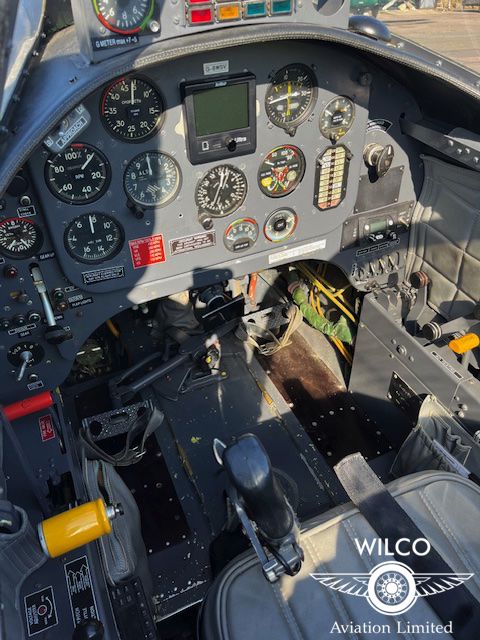
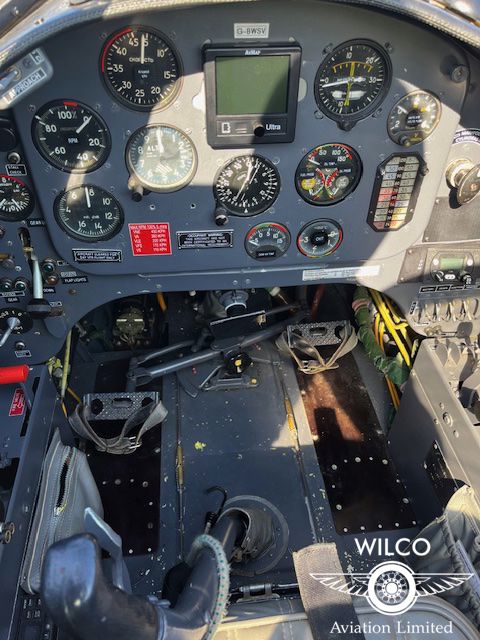
Avionics
Air Speed Indicator (ASI)
Altimeter
Cylinder Heat Temperature gauge (CHT)
Carb Temperature gauge
Oil Temperature gauge
Oil Pressure gauge
Manifold Pressure gauge
Fuel Pressure gauge
G Meter
RPM gauge
Compass
Additional remarks
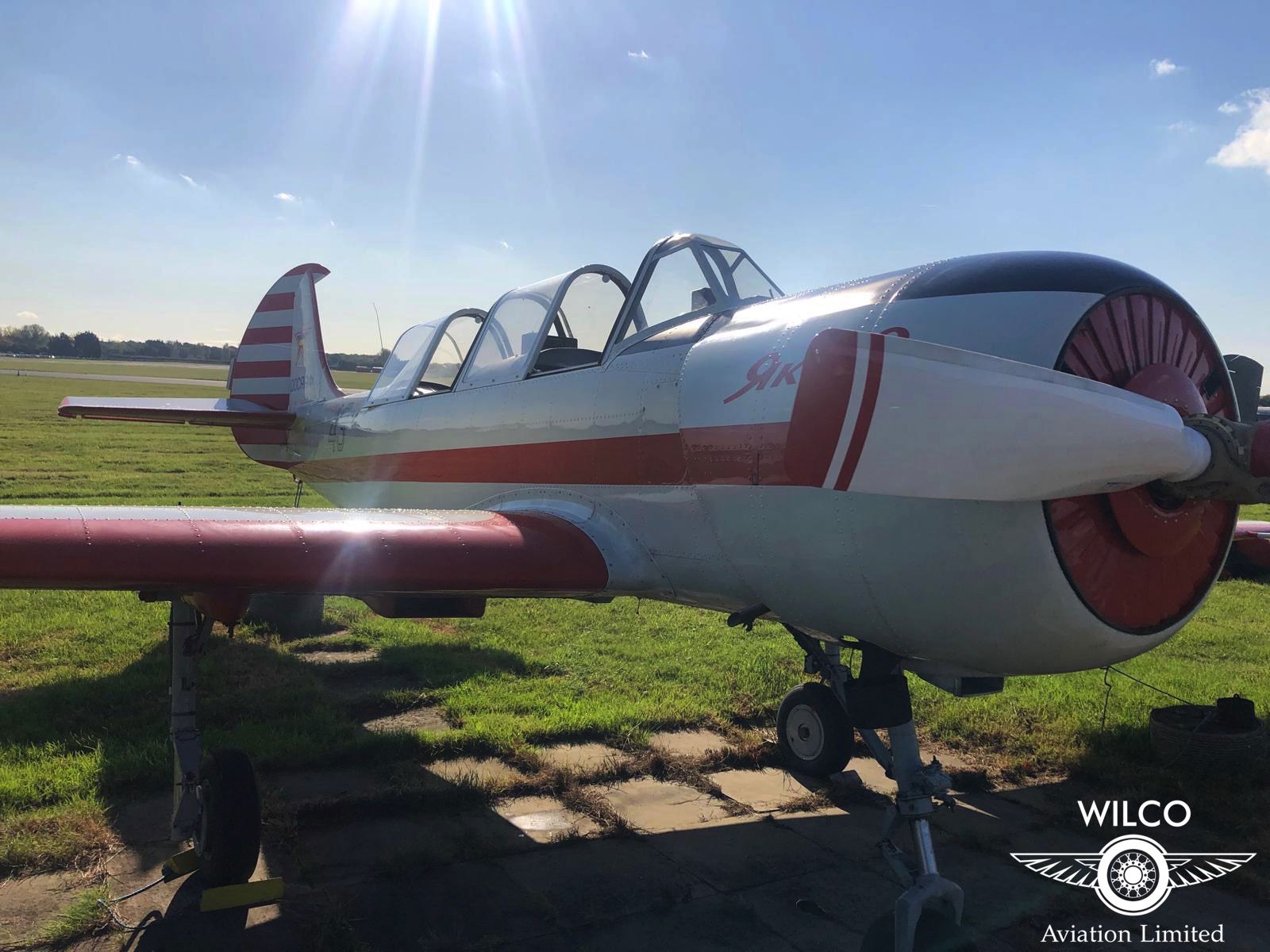
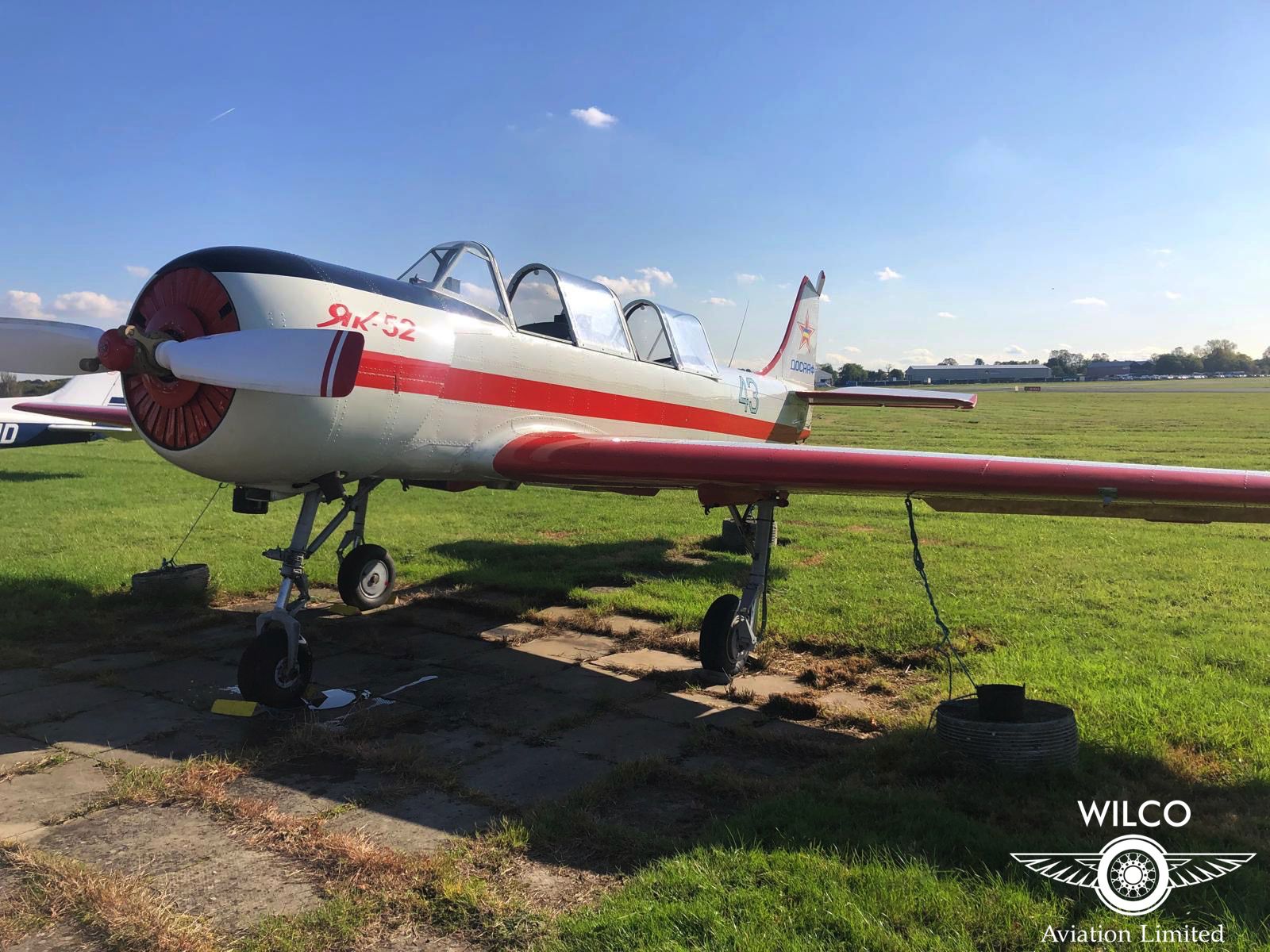
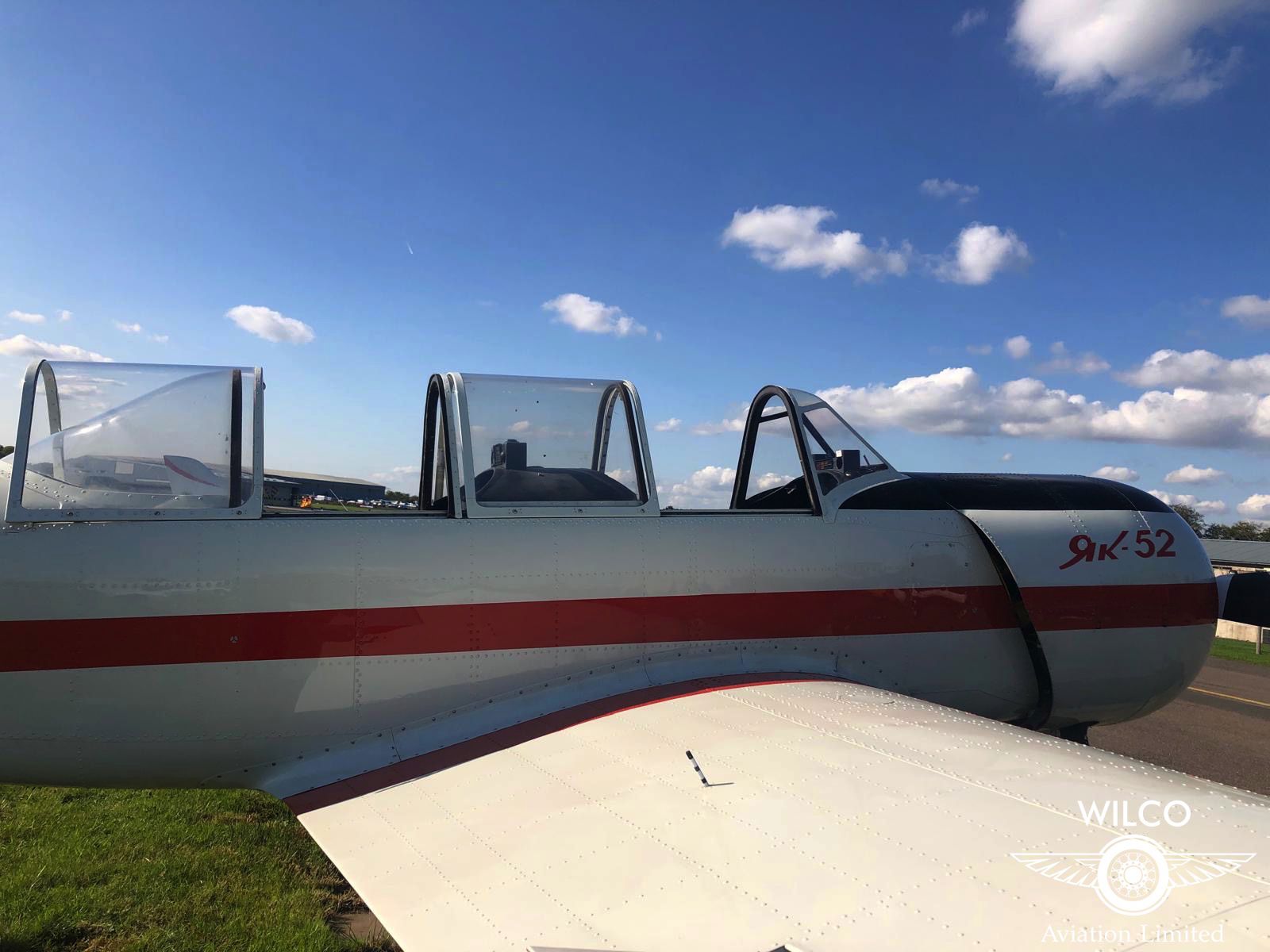
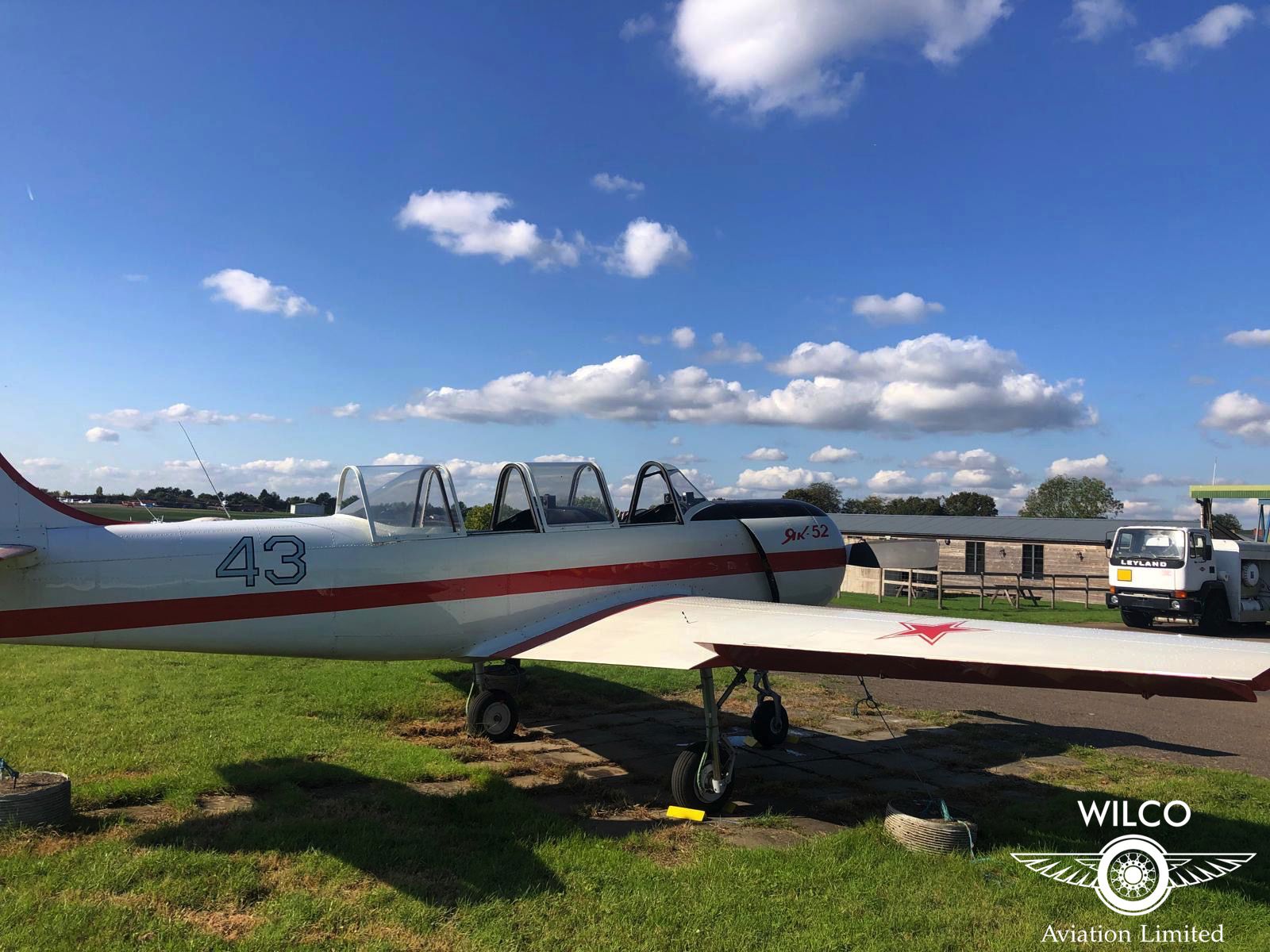
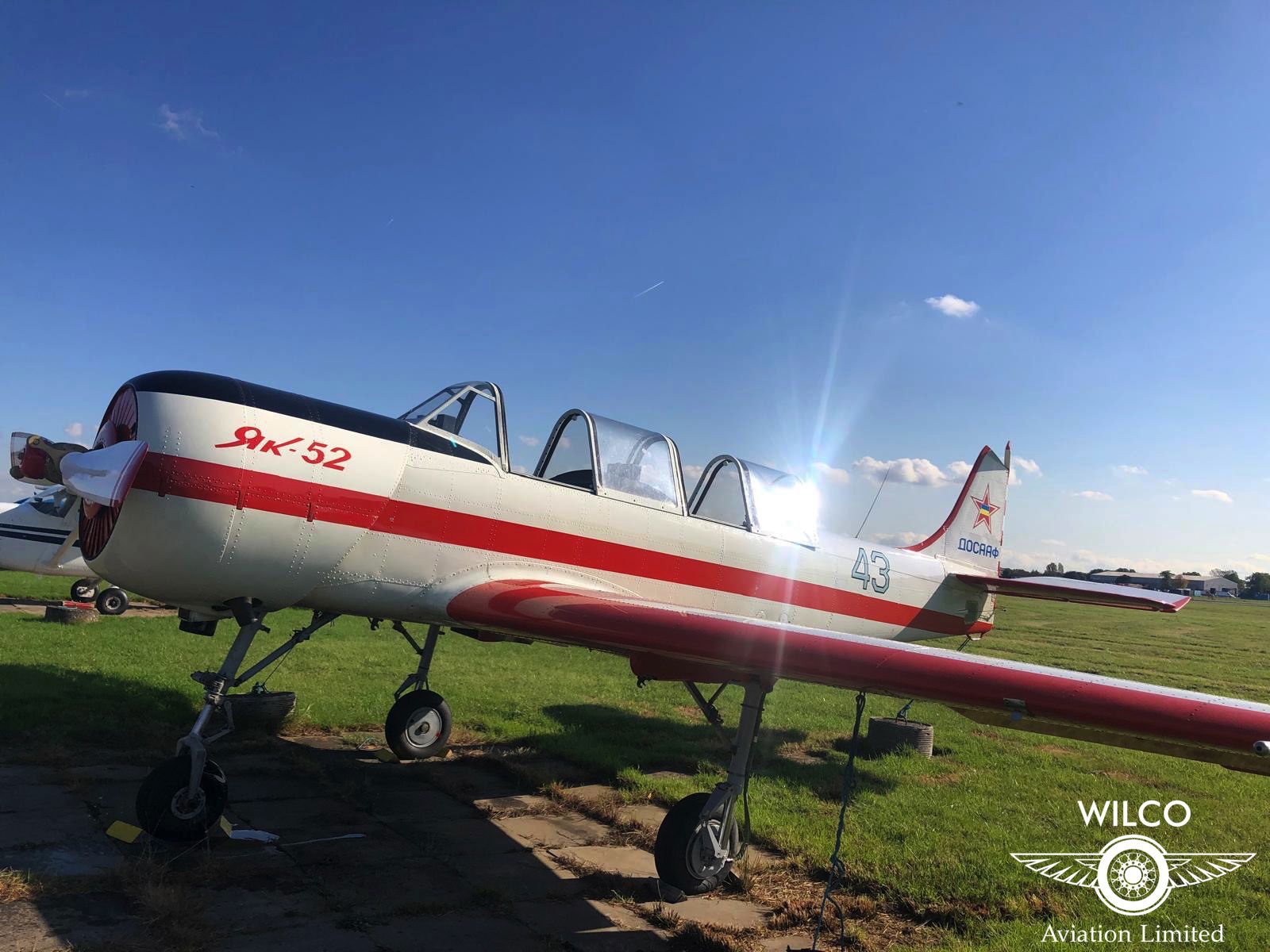
The Yakovlev Yak-52 (Russian: Яковлев Як-52) is a Soviet-designed primary trainer aircraft that first took flight in 1976. From 1977 to 1998, it was produced in Romania by Aerostar, known locally as the Iak-52, under manufacturing rights granted through the COMECON socialist trade organisation. Initially developed as an aerobatic trainer for the Soviet DOSAAF training program, the Yak-52 prepared both civilian sport pilots and military aviators. Today, it continues to be used in the Fédération Aéronautique Internationale (FAI) World Aerobatic Yak 52 Competition, a prestigious one-design World Aerobatic Championship event.
The Yak-52 is a direct descendant of the single-seat Yakovlev Yak-50, an aerobatic competition aircraft. Built entirely from metal, the Yak-52 is powered by a robust Vedeneyev M14P nine-cylinder radial engine, producing 268 kW (360 hp). Designed to mimic characteristics of early postwar military fighters, the Yak-52 incorporates features such as a tandem cockpit layout, tricycle landing gear, a mixed-construction fuselage (combining monocoque and steel tube structures), and other design elements closely resembling the Yakovlev Yak-17 UTI jet trainer. Even the positioning of access panels, the radio antenna, and the overall dimensions share similarities with the Yak-17 UTI.
Engineered for military training, the Yak-52 boasts a fuel and oil system that allows for up to two minutes of sustained inverted flight. The engine drives a two-bladed, counterclockwise-rotating, variable-pitch propeller made from wood and fibreglass laminate.
Weighing in at 1,025 kg (2,260 lb) when empty, the Yak-52 is not only highly responsive but also excels in aerobatic performance. Despite its agility, the aircraft is relatively easy to fly and land, making it suitable for international aerobatic competitions up to the Advanced level. With stress tolerances of +7 and –5 Gs, and a roll rate that exceeds 180 degrees per second (recorded at up to 352 degrees per second to the right), the Yak-52 is capable of executing every manoeuvre in the Aresti catalog of aerobatic figures.
Like many Soviet military aircraft, the Yak-52 is built for rugged environments, requiring minimal maintenance. One of its most distinctive features, rare in Western aircraft, is its extensive pneumatic system. Engine starting, landing gear, flaps, and wheel brakes are all pneumatically powered, with spherical air storage tanks located behind the rear cockpit. These tanks are pressurised by an engine-driven compressor and are monitored via instrument panel gauges. The operating pressure ranges from 10 to 50 bars (145 to 725 psi), and a backup pneumatic circuit is available for emergency landing gear deployment if the primary system fails. Both the main and reserve air tanks can be recharged on the ground using compressed air, typically from a scuba-type air bottle.
Pilots accustomed to hydraulic systems may find the Yak-52’s pneumatic ground steering and braking system, controlled by differential braking via rudder pedals and a hand-operated lever on the control stick, takes some adjustment. The retractable tricycle landing gear remains partially exposed when retracted, adding useful drag for certain manoeuvres and providing some protection in the event of a forced belly landing.
G-BWSV comes at the asking prices with an included spares package comprising of a spare engine and air cylinders.